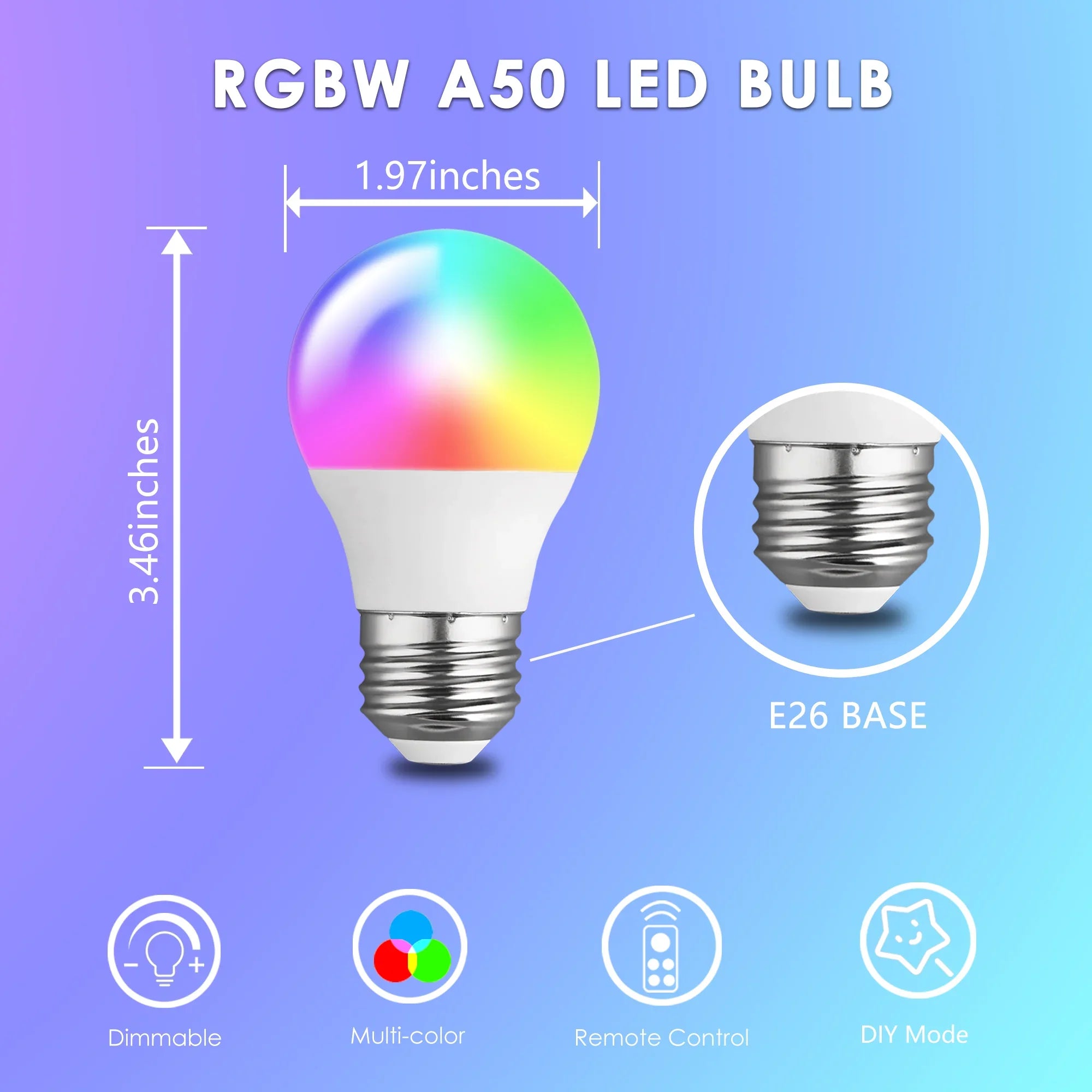

Traditional light bulbs are simple: screw them into a powered socket, turn on the switch, and the light comes on.
But what if there is no nearby outlet? What if a wall sconce has no wiring? What if you want a lamp to work during a power outage—or you simply want portable lighting that can move from room to room?
That is where rechargeable LED light bulbs become useful.
Unlike standard AC-powered bulbs, rechargeable bulbs contain a built-in battery. After charging, they can provide light without being continuously connected to household electricity. Depending on the model, they may also offer adjustable white light, RGB colors, dimming, timers, remote controls, magnetic mounting, and portable use.
In this guide, we'll explain how rechargeable LED bulbs work, the differences between RGB and adjustable white-light models, what color temperature means, and how to choose the right rechargeable bulb for your home.
What Is a Rechargeable LED Light Bulb?
A rechargeable LED light bulb combines an LED light source with a built-in rechargeable battery.
Instead of depending entirely on power from a wall socket, the battery stores energy that can be used later. Many modern rechargeable bulbs charge through USB-C, making them convenient to recharge with commonly available low-voltage chargers.
This makes a battery-operated light bulb especially useful in places where wiring is inconvenient or unavailable.
Rechargeable bulbs can work well in table lamps, wall sconces, closets, cabinets, bedrooms, hallways, camping setups, emergency kits, and decorative lighting.
Some models can even be removed from their socket and used as portable lights.
Why Are Rechargeable LED Bulbs Becoming Popular?
The biggest advantage is flexibility.
A conventional light bulb must stay connected to an electrical circuit. A rechargeable bulb gives you more freedom over where and how you use light.
For example, you may have a decorative wall sconce in an area where adding electrical wiring would require opening the wall. A rechargeable E26 bulb can provide a much simpler lighting solution.
Rechargeable bulbs are also useful when the power goes out. Rather than searching for a flashlight, a charged bulb can provide soft room lighting or be moved to another area of the home.
And because LED technology requires relatively little energy, rechargeable bulbs can provide hours of illumination from a compact internal battery.
RGB vs White Rechargeable Light Bulbs
Not every rechargeable bulb offers the same type of light.
One important difference is whether the bulb produces only white light or also includes RGB colors.
White Rechargeable LED Bulbs
Basic rechargeable bulbs usually provide one or more white color temperatures.
These are a good choice when your main goal is practical everyday lighting.
A warm white setting works well in bedrooms and living rooms, while neutral or cooler white can be useful for task lighting, closets, or work areas.
RGB Rechargeable LED Bulbs
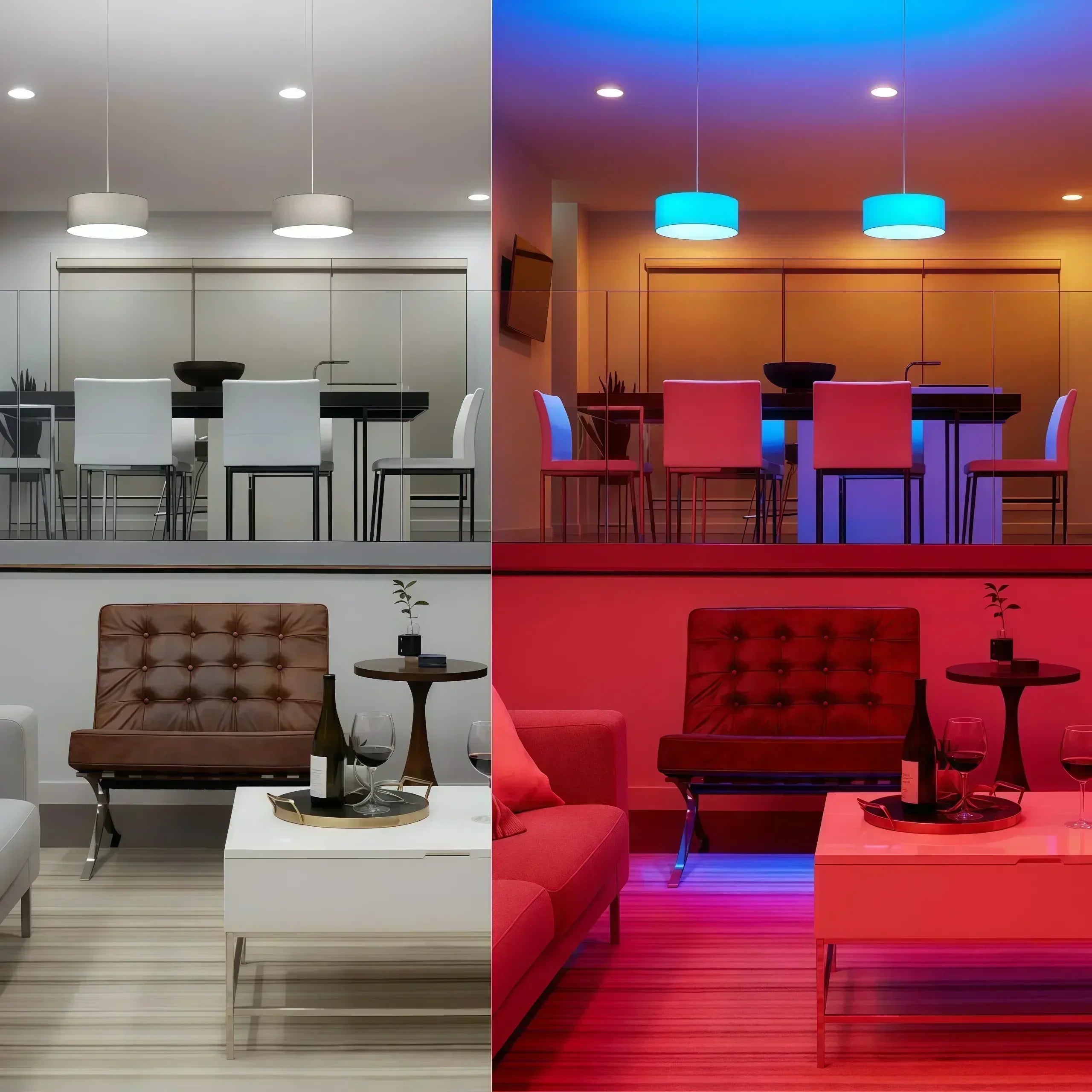
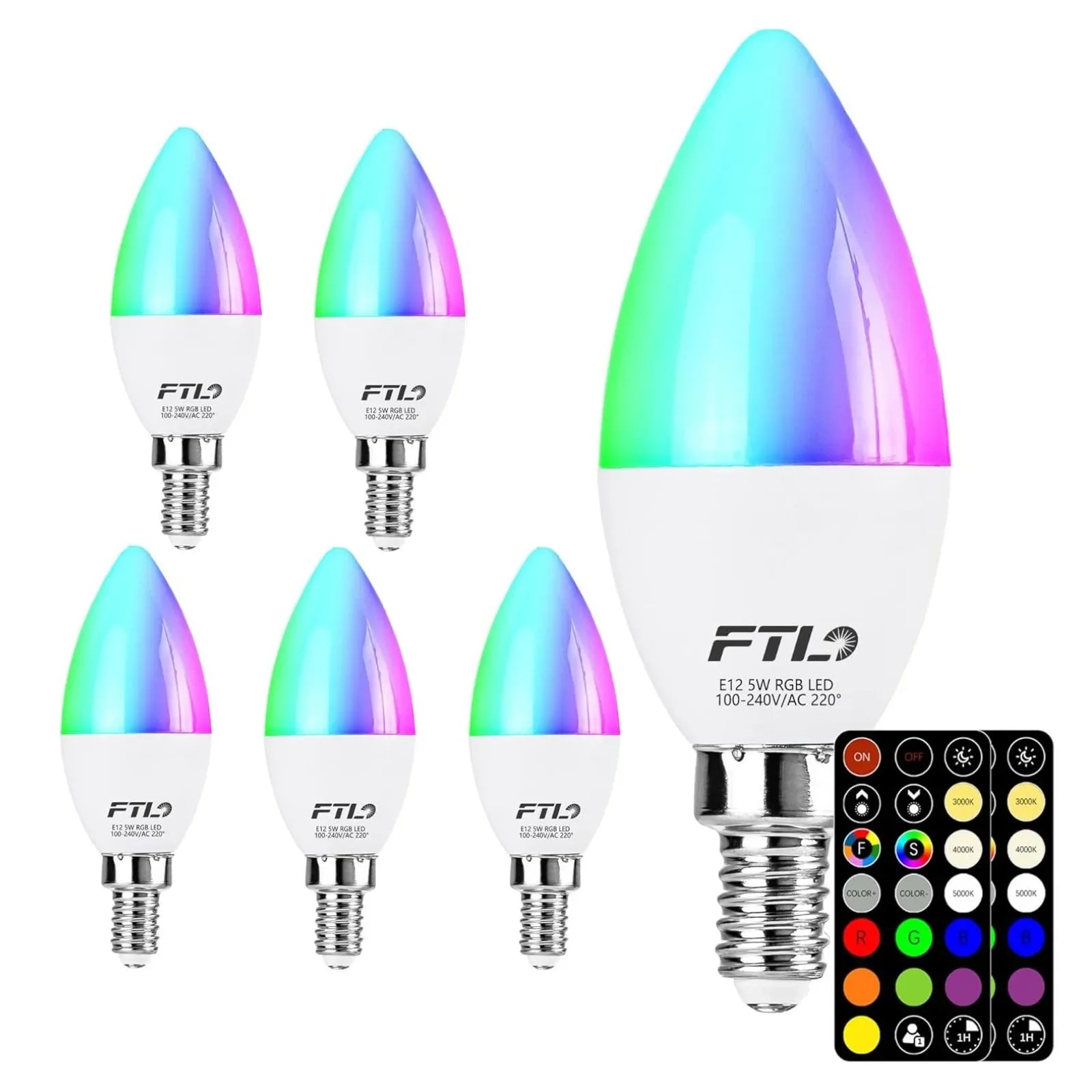
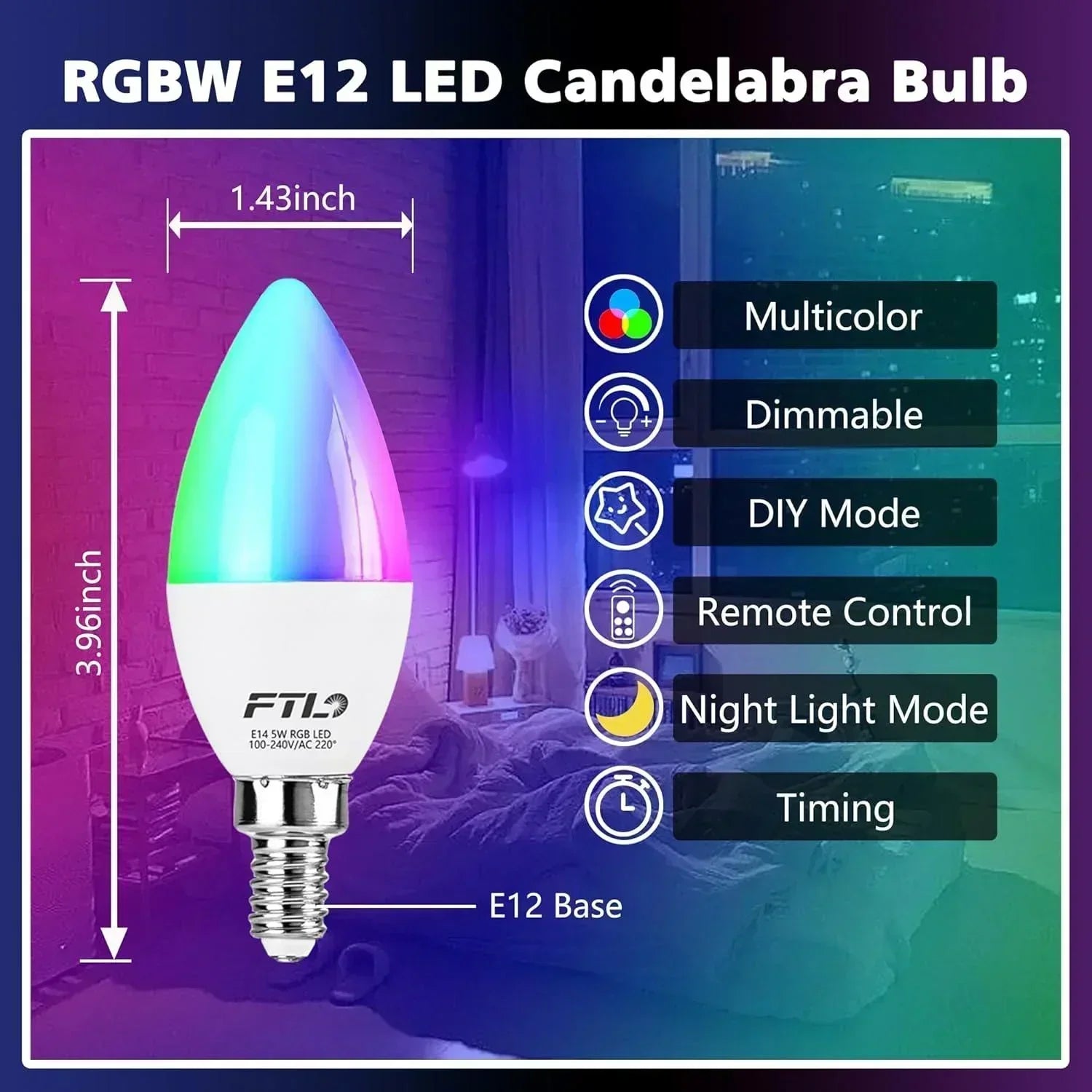
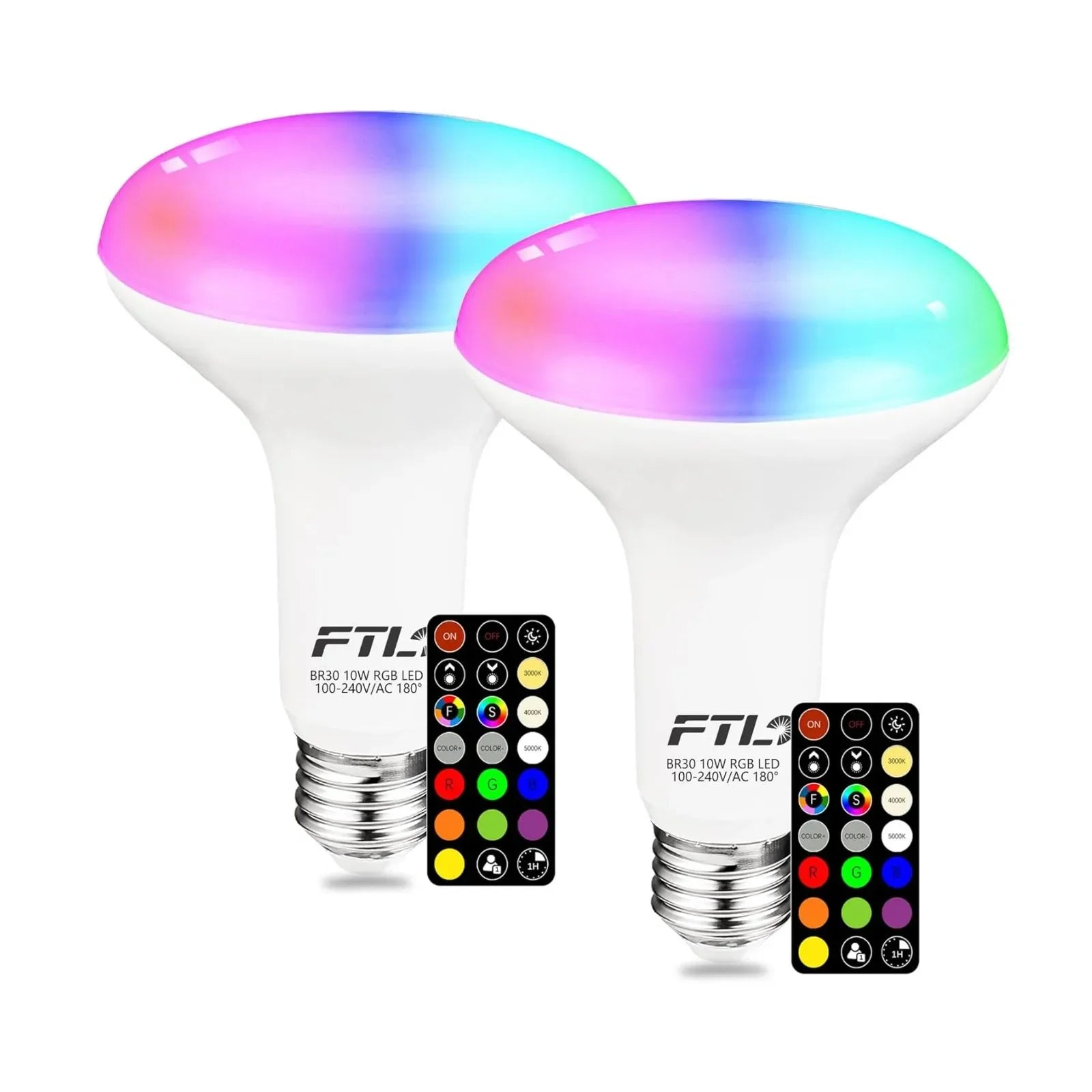
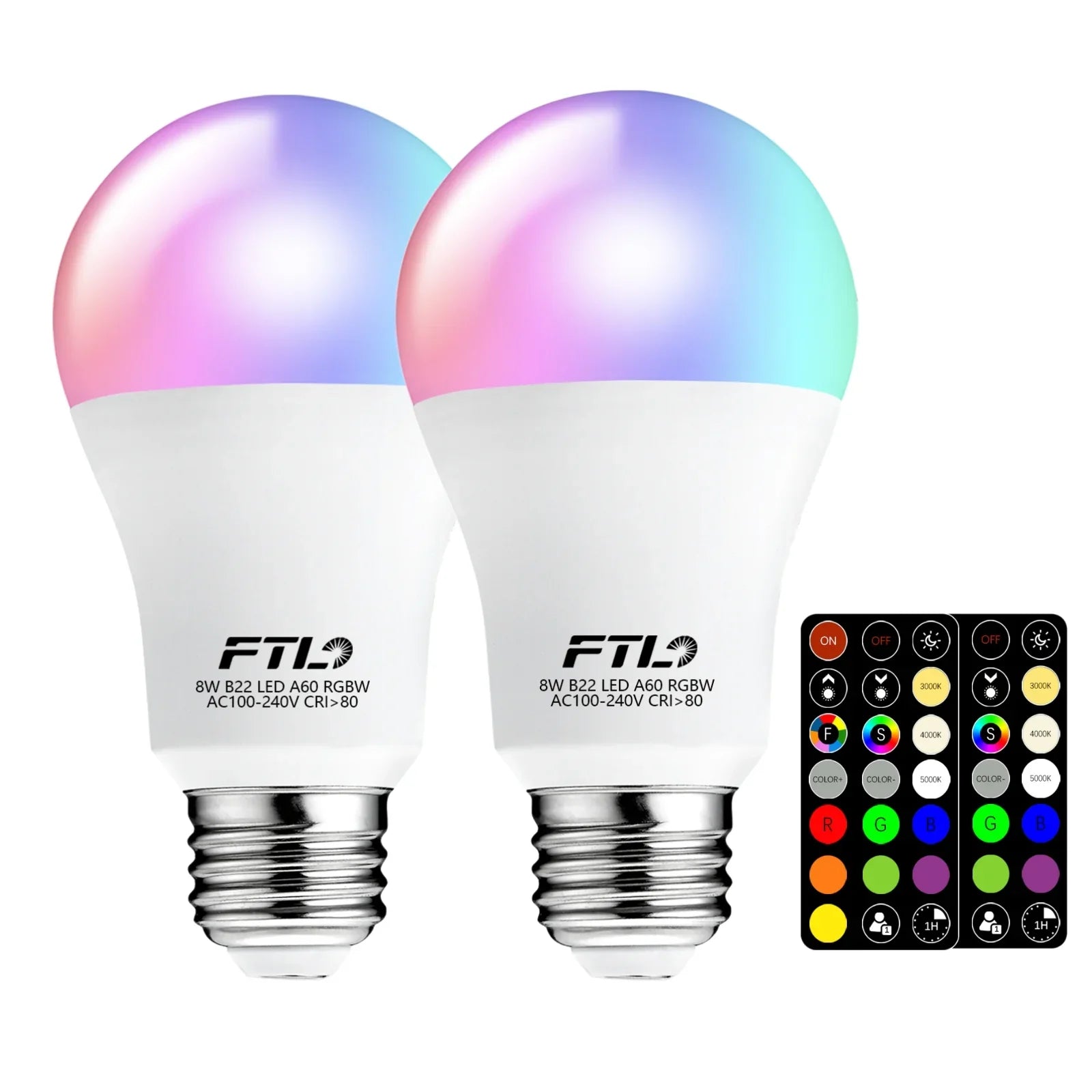
An RGB rechargeable light bulb can produce red, green, blue, and combinations of those colors in addition to regular white light.
RGB lighting is useful when you want one bulb to serve both practical and decorative purposes.
During normal evenings, you can use white light. For movie nights, parties, holidays, gaming rooms, or decorative lighting, you can switch to color.
Some RGB rechargeable bulbs also include dynamic modes such as Flash or Smooth transitions.
This makes them considerably more versatile than a basic emergency bulb.
Understanding 3000K, 4000K and 6000K
Another important feature to consider is color temperature.
Color temperature is measured in Kelvin, or K. Lower numbers appear warmer and more yellow, while higher numbers look cooler and whiter.
| Color Temperature | Appearance | Good For |
|---|---|---|
| 1800K | Very warm, candle-like glow | Mood lighting, relaxation |
| 3000K | Warm white | Bedroom, living room, bedside lamps |
| 4000K | Neutral white | Everyday lighting, hallways, closets |
| 6000K | Cool white | Task lighting, brighter functional use |
A rechargeable bulb with several color temperatures gives you much more flexibility than a fixed-color bulb.
You might prefer 3000K while relaxing at night, 4000K for normal everyday lighting, and 6000K when you want a cleaner, brighter appearance.
What Is a 3-Color Temperature Rechargeable Bulb?
A 3-color temperature rechargeable light bulb, sometimes called a 3CCT bulb, allows you to select between three different shades of white light.
Instead of buying separate warm-white and cool-white bulbs, one bulb can adapt to different rooms and situations.
This is particularly useful for portable lighting.
For example, a rechargeable bulb may spend one day in a bedroom lamp, where warm light feels more comfortable, and later be used in a closet or work area where neutral or cool white is more practical.
When RGB colors are added as well, a single bulb can provide both everyday white lighting and decorative colored lighting.
A Versatile Option: FTL RGB Rechargeable E26 Light Bulb
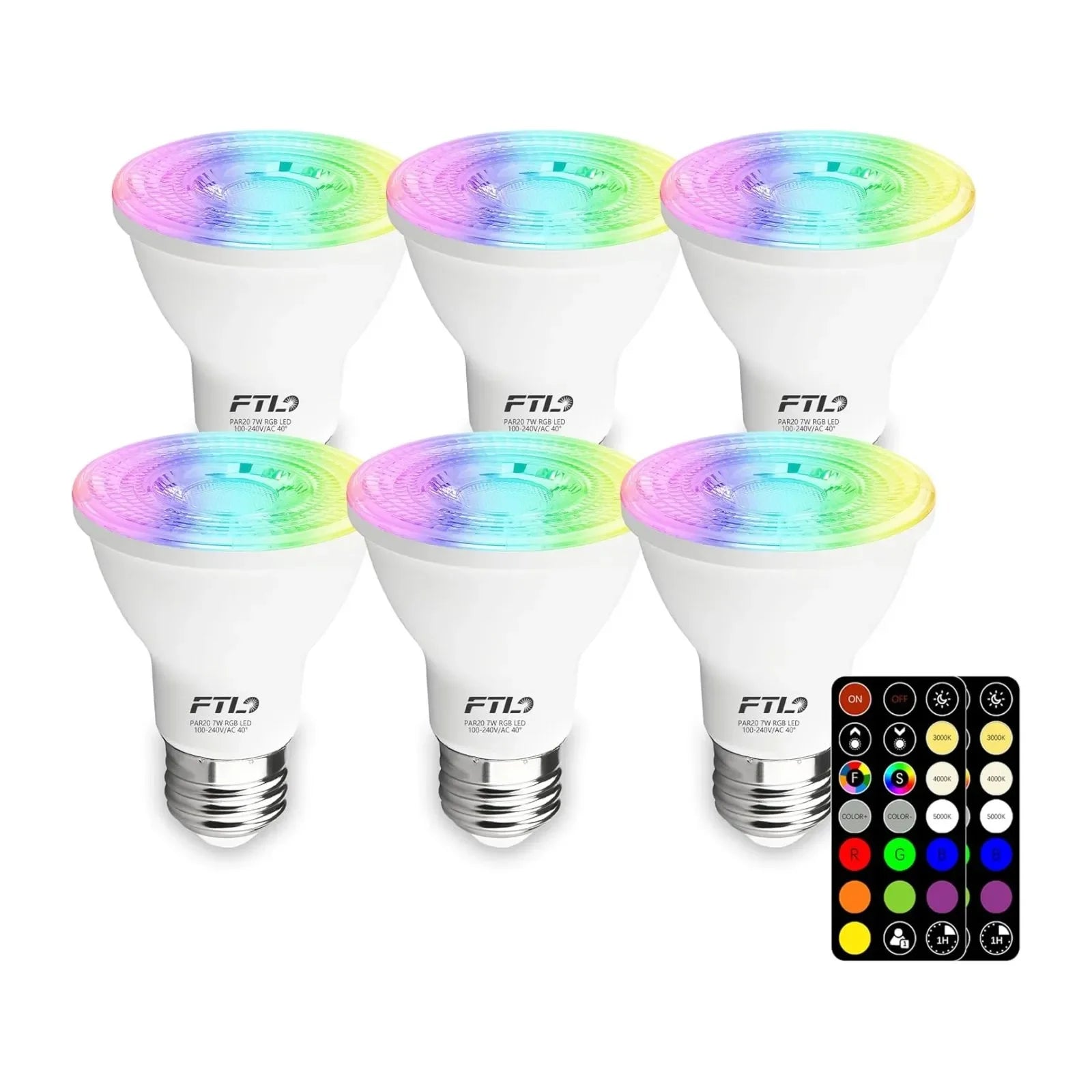
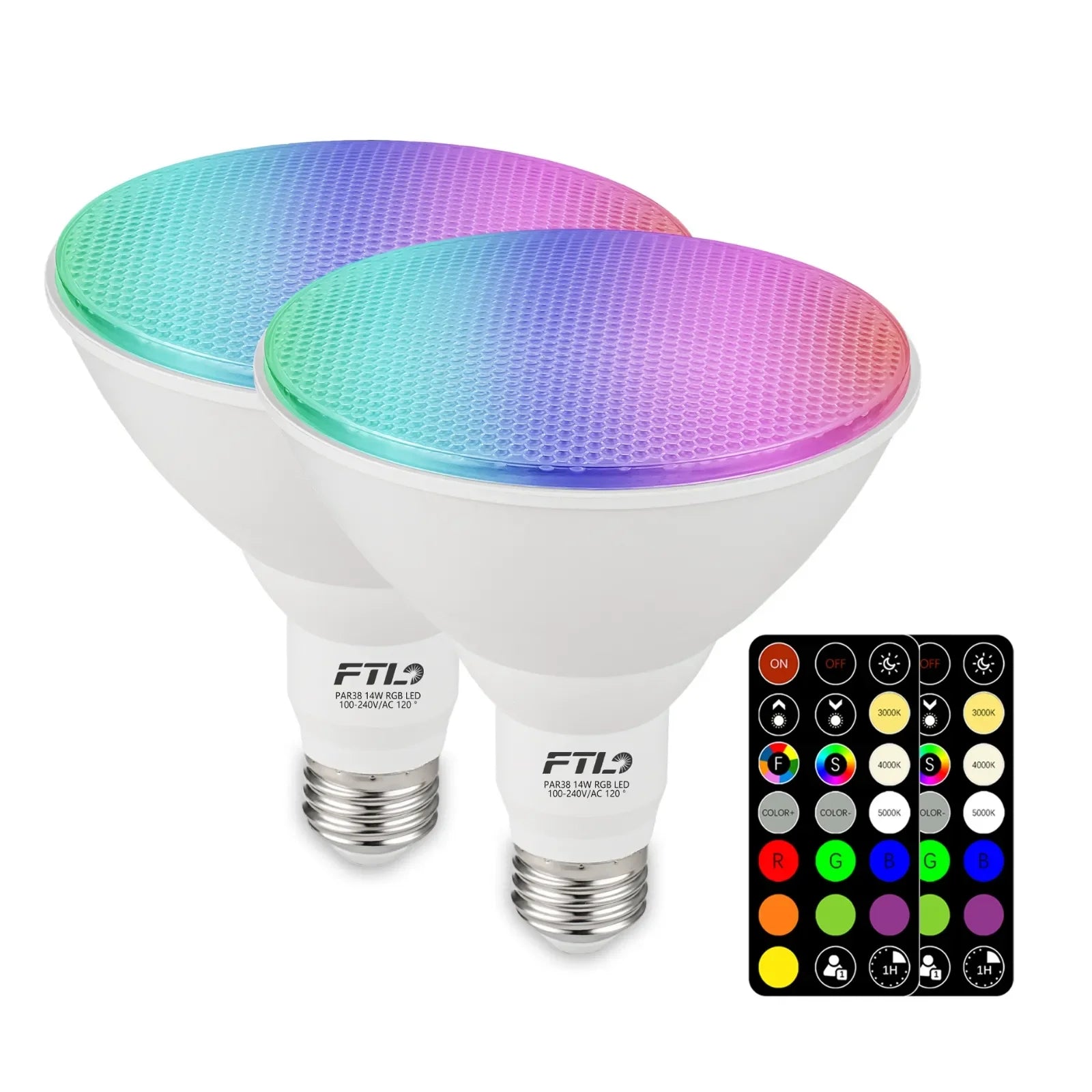
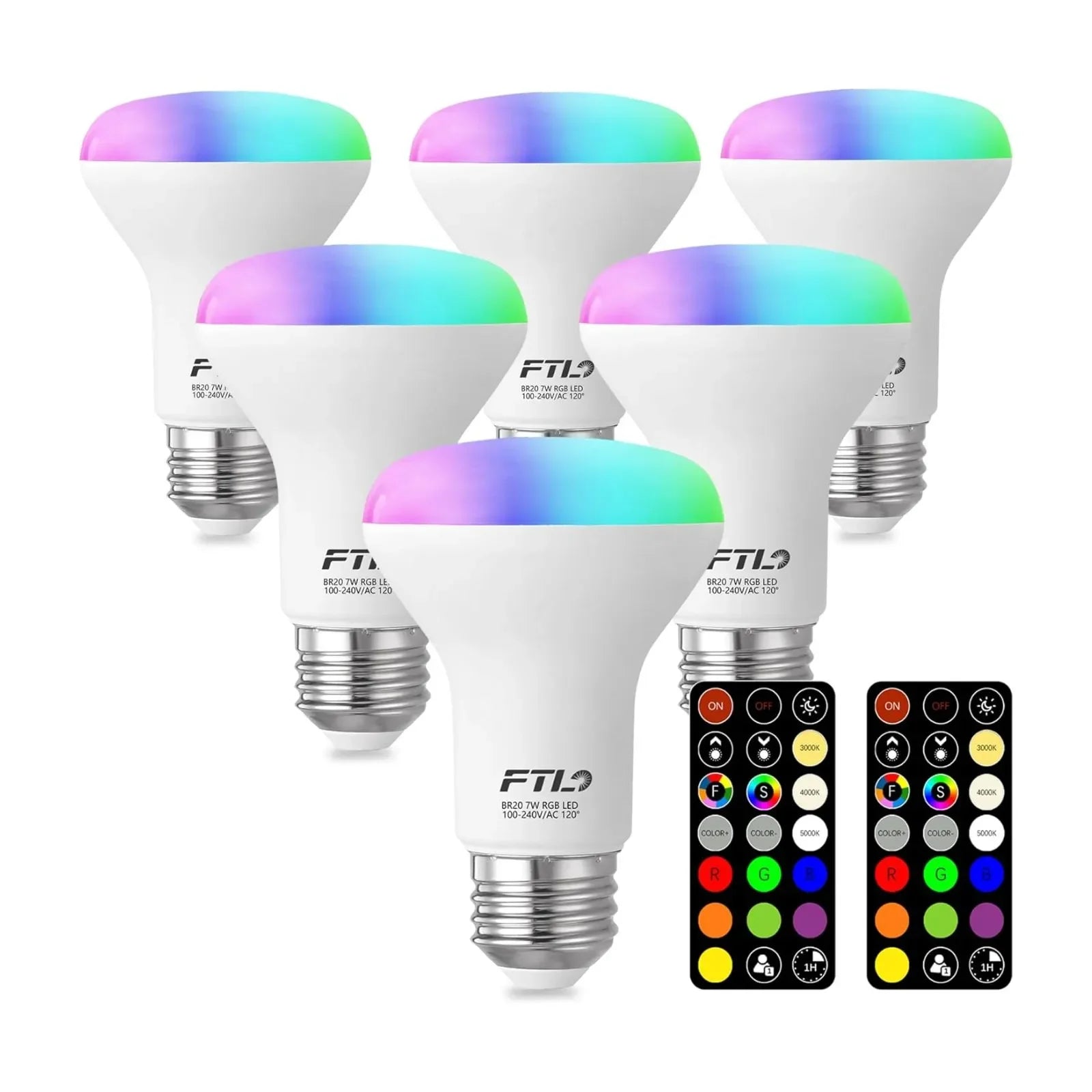
For homeowners looking for more than a basic battery-powered bulb, the FTL 3.43" Rechargeable Color Changing Light Bulb 2-Pack combines rechargeable lighting, adjustable white light, RGB colors, dimming, remote control, and portable mounting options in one design.
Each bulb uses a 2200mAh built-in lithium battery and charges through USB-C. Depending on brightness, it can provide up to approximately 10–12 hours of lighting, with longer operation at lower brightness settings.
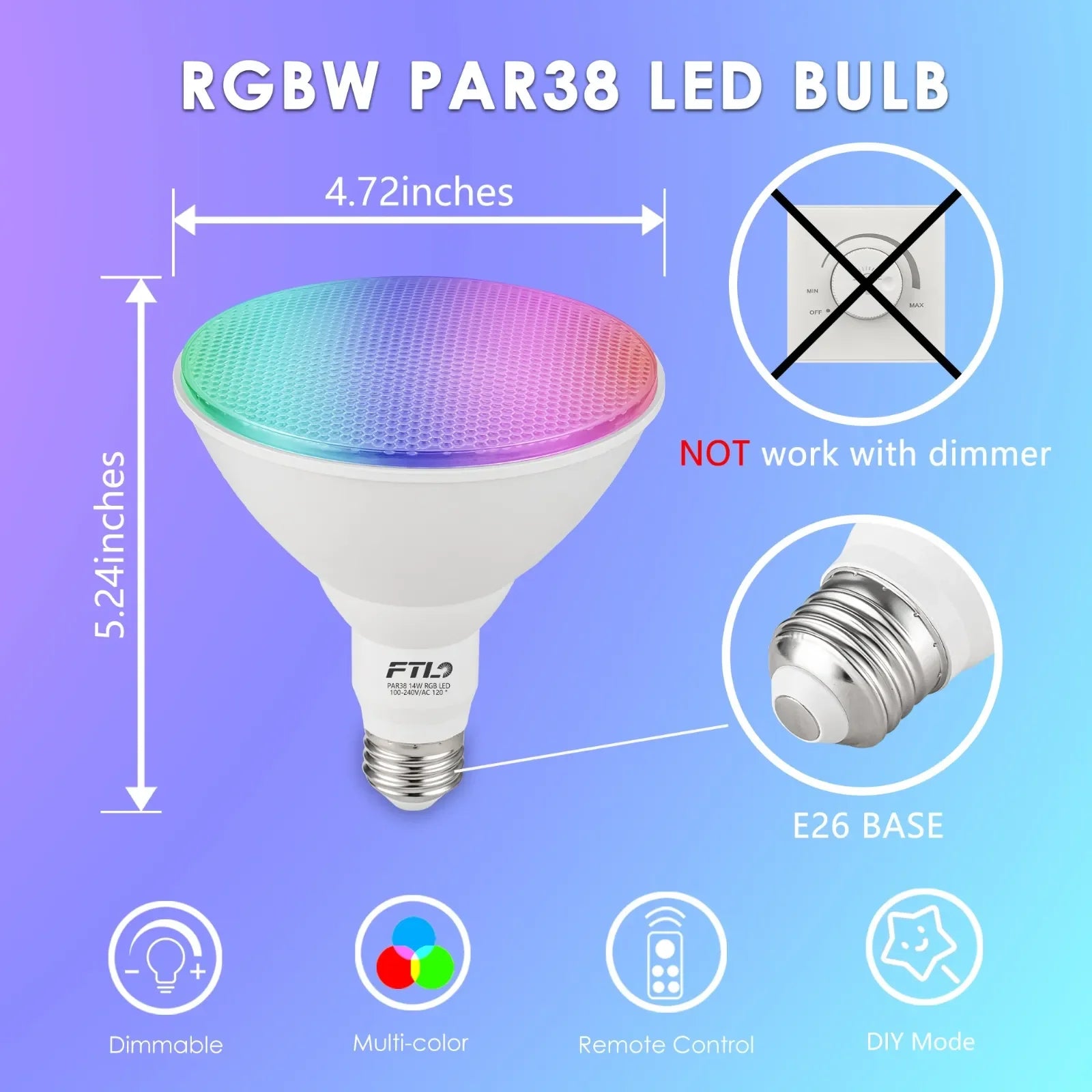
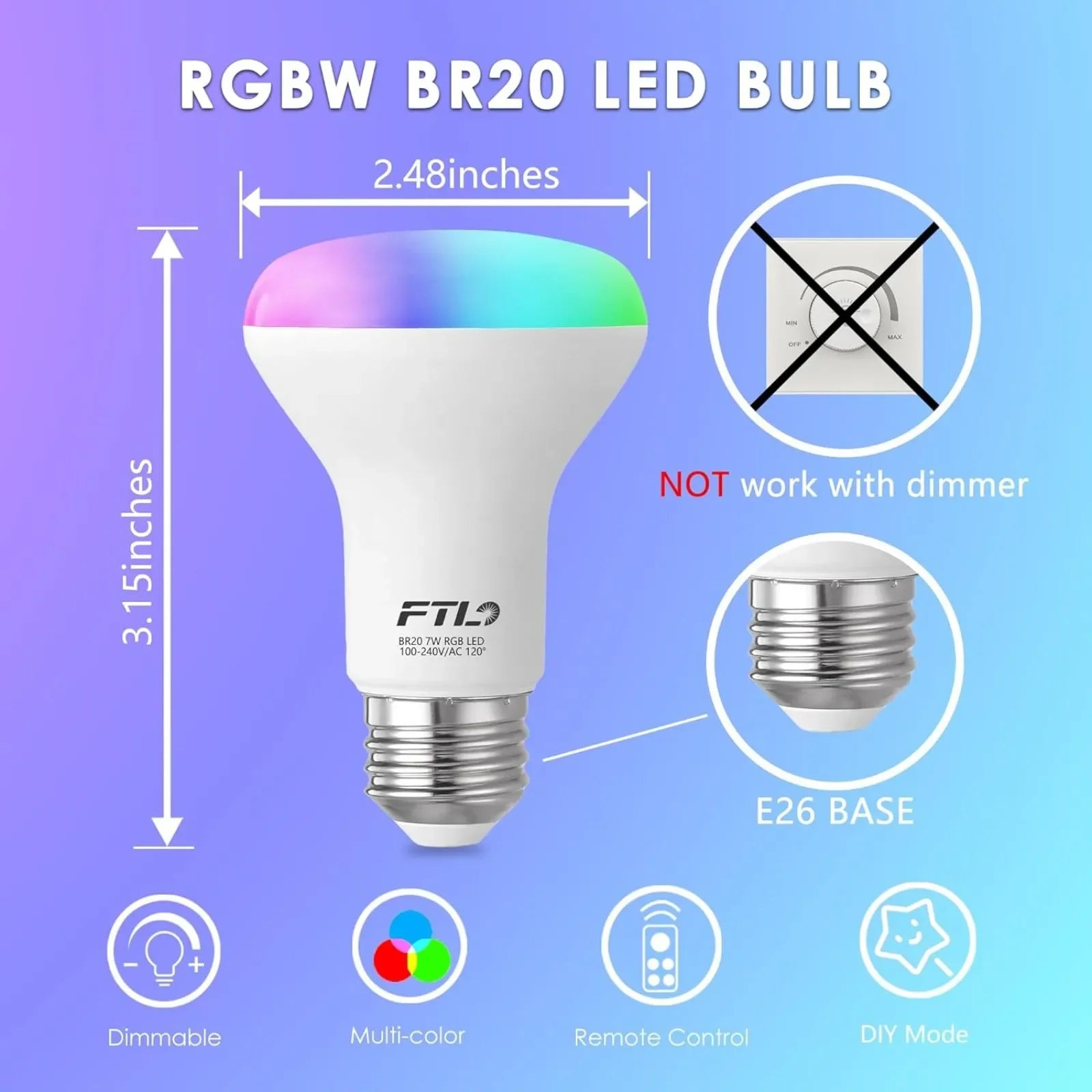
The bulb fits a standard E26 base, making it compatible with many common lamps and wall sconces. But unlike a conventional E26 bulb, it does not need continuous AC power while operating.
That makes it particularly useful for decorative fixtures in locations where wiring is difficult or unavailable.
RGB Colors Plus Multiple White-Light Options
One reason this FTL rechargeable bulb works well for different rooms is that it is not limited to a single color.
It offers RGB color-changing lighting, a very warm 1800K glow, and three white-light options at 3000K, 4000K, and 6000K. Flash and Smooth modes are also available for decorative lighting.
During normal use, you can keep the bulb on warm or neutral white.
For a party, holiday, movie night, or decorative setup, you can change it to RGB.
This allows one set of bulbs to serve several different purposes instead of being limited to one lighting style.
Remote Control, Dimming and Timer Functions
Convenience is another advantage of rechargeable lighting.
The FTL bulb includes a remote control with an operating range of approximately 8–10 meters, allowing users to change brightness, colors, lighting modes, and power without walking over to the fixture.
It also offers 30-, 60-, and 120-minute timer settings, which can be useful for bedside lighting, children's rooms, evening relaxation, or temporary accent lighting.
And if the remote is not nearby, the bulb itself still has button controls.
A single press controls power, a double press changes colors, and a long press adjusts brightness.
More Than Just a Light Bulb
One of the more useful features of this design is that it does not have to remain inside an E26 fixture.
The rechargeable light section is detachable and can also be used as a portable light.
With magnetic mounting, an adhesive metal plate, and a hanging hook, the bulb can be used in several ways beyond a traditional lamp socket. FTL lists applications including sconces, cabinets, closets, tents, and power-outage lighting.
That means the same light can function as an E26 bulb at home and as a temporary portable light when needed.
For apartments, rental homes, closets without wiring, camping setups, or emergency kits, this flexibility can be especially useful.
Where Can You Use Rechargeable LED Light Bulbs?
Rechargeable bulbs are particularly useful when the problem is not simply “I need a brighter bulb,” but rather “I need light where electricity is inconvenient.”
Common applications include bedside lamps, cordless wall sconces, closets, cabinets, hallways, decorative fixtures, rental properties, tents, patios under suitable protected conditions, and emergency lighting during power outages.
They can also be helpful for decorative sconces installed mainly for appearance. Instead of hiring an electrician to run new wiring through the wall, a rechargeable E26 bulb may offer a simpler alternative depending on the fixture and intended use.
Rechargeable Bulbs vs Standard Wired LED Bulbs
Rechargeable bulbs and standard wired LED bulbs are designed for different jobs.
A wired bulb is generally the better choice when you need strong, continuous primary illumination for a room.
A rechargeable bulb prioritizes portability, convenience, and independence from household wiring.
That distinction is important.
The FTL rechargeable bulb is a 5W battery-powered light, and its product specifications note that its brightness is softer than a standard wired bulb. It should therefore be considered a flexible ambient, decorative, portable, or backup lighting solution rather than a replacement for every high-output household bulb.
For customers, this is actually one of the easiest ways to choose between the two:
Use wired LED bulbs when maximum everyday brightness is the priority.
Use rechargeable LED bulbs when flexibility and cordless operation matter more.
What Should You Look for When Buying a Rechargeable Light Bulb?
When comparing rechargeable LED light bulbs, pay attention to battery capacity, charging method, socket compatibility, operating time, brightness control, color options, mounting flexibility, and remote-control functions.
For most homes, USB-C charging is particularly convenient because it reduces dependence on proprietary chargers.
An E26 base is also useful because it fits many common U.S. lamps and fixtures.
If you want a bulb for both functional and decorative lighting, choosing a model with adjustable white temperatures plus RGB can provide much more value than a single-color bulb.
Are Rechargeable RGB Bulbs Worth It?
For the right application, yes.
A rechargeable RGB bulb is not simply an emergency light with colored LEDs added.
It can replace several small lighting products at once: a decorative bulb, portable lamp, mood light, temporary closet light, bedside light, and backup light.
The value comes from versatility.
If you only need a permanent ceiling bulb that stays on for many hours every day, a conventional wired LED bulb will usually make more sense.
But if you want wireless lighting that can move, change colors, adjust brightness, and work without permanent wiring, a rechargeable LED bulb can be a very practical addition to the home.
Final Thoughts
Rechargeable LED light bulbs have evolved far beyond simple emergency bulbs.
Today's models can combine portable battery power with RGB colors, adjustable white light, dimming, timers, remote controls, and multiple mounting options.
A basic rechargeable white bulb may be enough for emergency use or a closet. A 3-color temperature bulb provides more control over everyday lighting. And an RGB rechargeable bulb offers the greatest flexibility for homeowners who want practical lighting and atmosphere from the same product.
The FTL 3.43" Rechargeable Color Changing Light Bulb 2-Pack is designed for exactly that type of flexible use. With a 2200mAh rechargeable battery, USB-C charging, an E26 base, RGB colors, 1800K plus 3000K/4000K/6000K white light, dimming, timers, remote control, magnetic mounting, and portable use, it provides several lighting solutions in one compact design.
The product currently has five customer reviews on the FTL website, all rated positively, with reviewers specifically highlighting its USB-C charging, versatility, RGB options, and multiple mounting methods.
For anyone who needs light without adding new wiring—or simply wants a more flexible way to illuminate and decorate a space—a rechargeable LED light bulb is worth considering.